
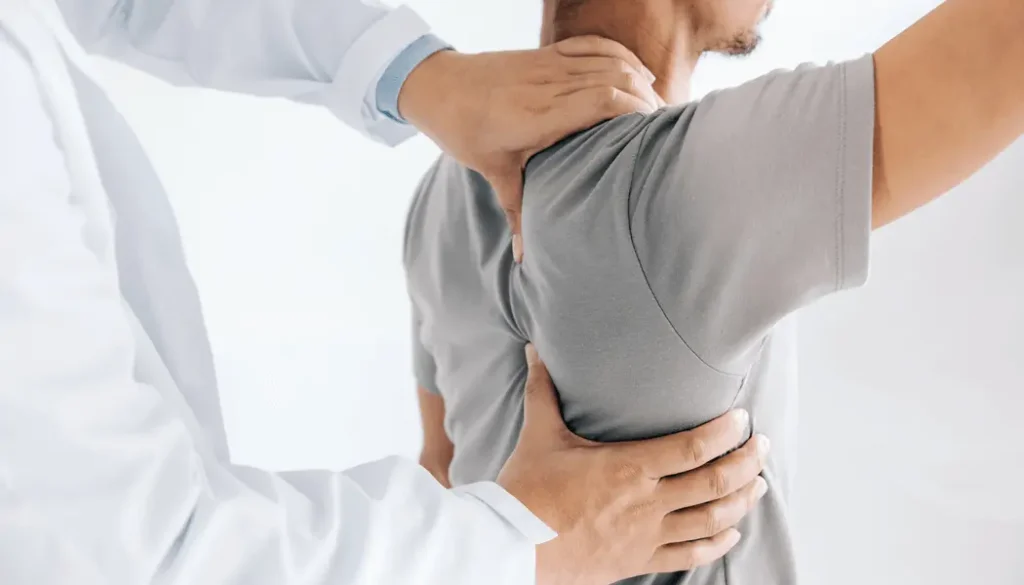
Joint mobilization physiotherapy is a skilled manual therapy technique used by physiotherapists to improve joint movement, reduce pain, correct stiffness, and enhance overall musculoskeletal function. This treatment helps restore normal joint mechanics, ease restrictions, and support recovery from injuries, post-surgical stiffness, and chronic conditions.
Joint mobilization is a manual therapy method where a trained physiotherapist applies precise, passive forces to specific joints using skilled movements at varying speeds and amplitudes to:
Reduce pain and swelling
Improve joint mobility and flexibility
Enhance blood circulation
Decrease muscle spasm
Promote relaxation of surrounding tissues
The technique focuses on tiny gliding motions between joint surfaces (arthrokinematics) rather than large voluntary movements.
Joint mobilization helps the body in several ways:
Neurophysiological Pain Reduction – Gentle movement decreases tissue sensitivity and calms muscle guarding.
Mechanical Stretching – Mobilization stretches joint capsules and periarticular tissues, aiding greater range of motion.
Fluid Dynamics & Circulation – Passive motion enhances synovial fluid distribution and local blood flow, promoting joint health.
Structural Realignment – For joints with misalignment or stiffness, graded mobilization can restore proper mechanics.
Different mobilization grades serve specific purposes:
Grade I–II: Small oscillations for pain relief.
Grade III–IV: Larger glides to increase flexibility.
Grade V (Manipulation): High-velocity, low-amplitude thrust used rarely and only by highly qualified professionals.
Techniques may include oscillatory mobilization, sustained stretches, and controlled passive movements tailored to each joint’s needs.
Joint mobilization is effective for a wide range of musculoskeletal and related conditions, including :
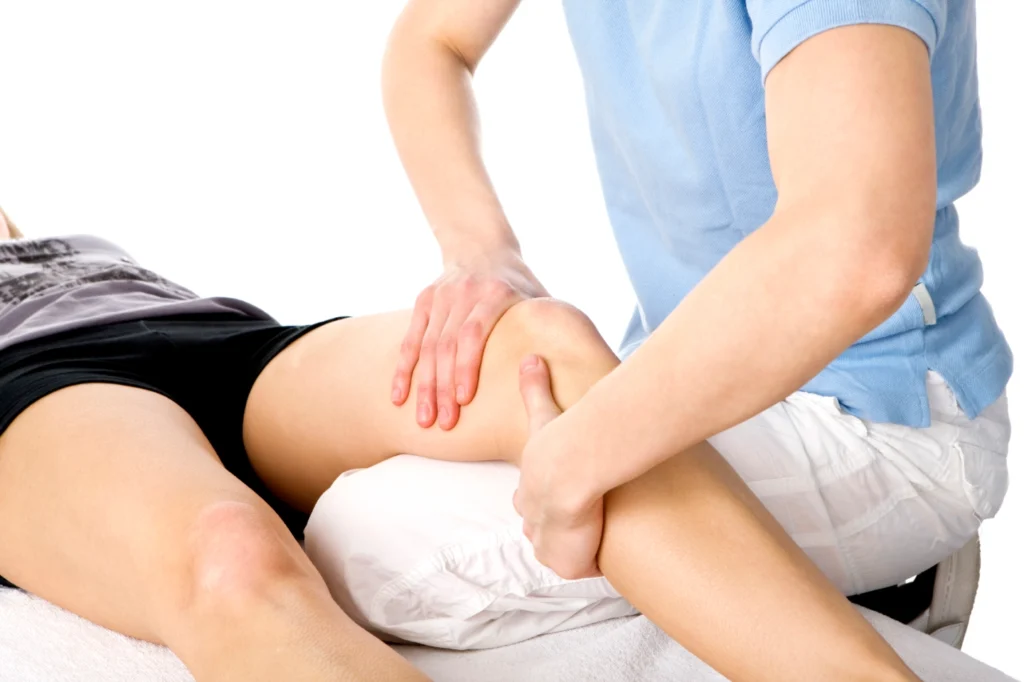
Osteoarthritis & Rheumatoid arthritis
Frozen shoulder (adhesive capsulitis)
Rotator cuff injuries
Tennis elbow & Golfer’s elbow
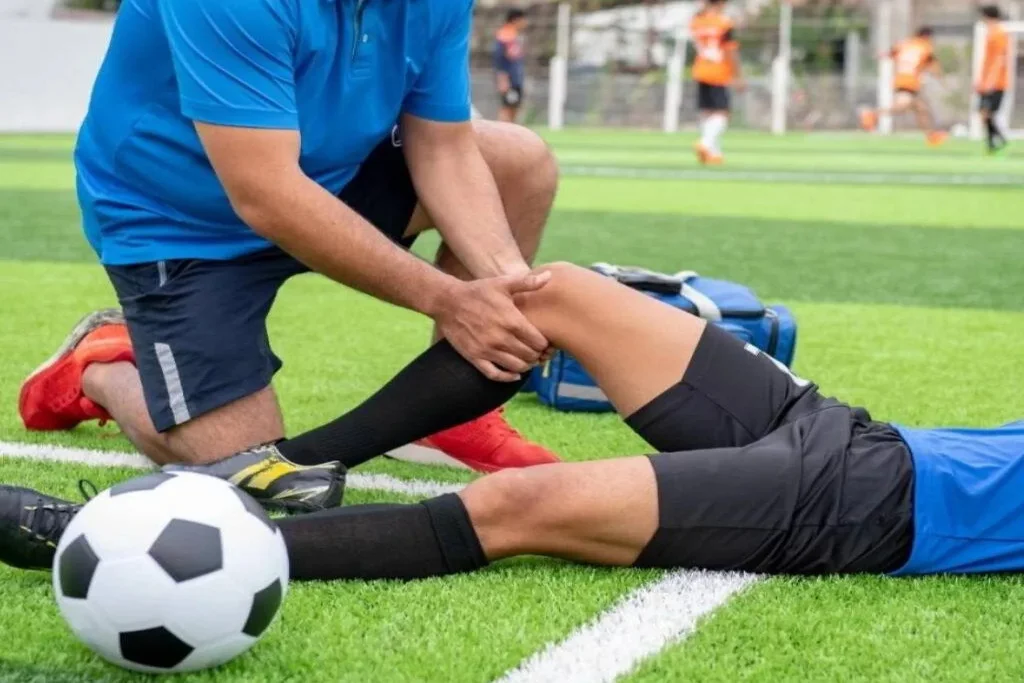
Neck pain
Lower back pain
Sciatica
Scoliosis
Facet joint dysfunction
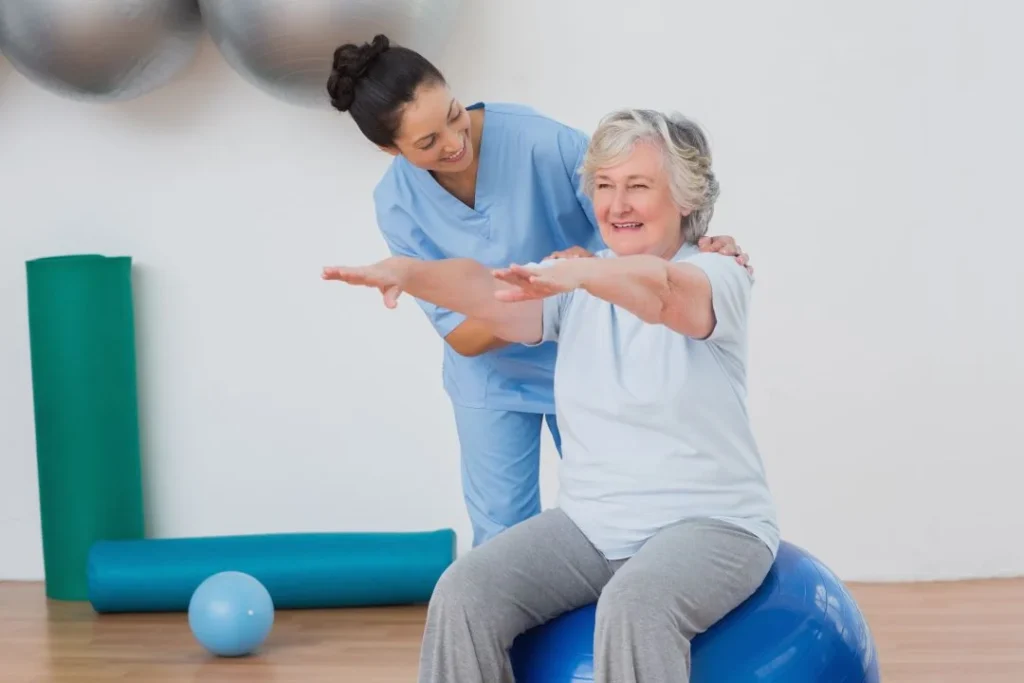
Joint stiffness after surgery
Total knee or hip replacement
Fracture healing
Ligament injuries
Joint stiffness from casting
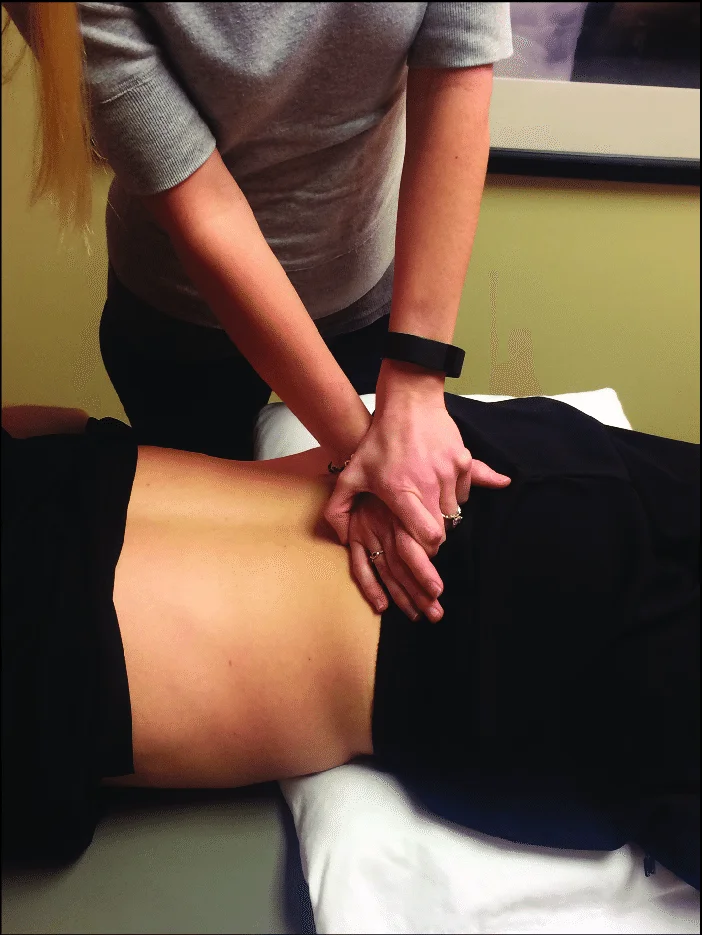
Ankle sprains
Knee ligament injuries
Shoulder impingement syndrome
Hip labral tears
Stroke rehabilitation (to restore joint motion)
Multiple sclerosis (manage stiffness)
Parkinson’s disease (enhance mobility)
Temporomandibular joint (TMJ) disorders — jaw pain/locking
Joint mobilization is safe when performed by trained physiotherapists, but care is taken to evaluate individual risk factors. Some mild soreness or temporary discomfort may occur. Mobilization is adapted or avoided in certain cases, including:
Fractures or severe joint instability
Active infection or inflammation
Advanced osteoporosis
Acute severe pain
Neurological conditions requiring modified care
At Dynamics Physio, we combine evidence-based techniques with personalized care for best results: a
⭐ Expert Clinical Assessment – Detailed evaluation to identify the true cause of dysfunction.
⭐ Specialized Manual Therapy Skills – Highly trained physiotherapists experienced in mobilization techniques.
⭐ Holistic Rehabilitation Approach – Mobilization integrated with exercises, posture correction, and ergonomic advice.
⭐ Customized Treatment Plans – Tailored to your goals, condition, and lifestyle.
⭐ Patient Education & Support – We guide you through every step of recovery and maintenance.


