
Kinesio Taping, also known as Kinesiology Taping or Elastic Therapeutic Taping, is a specialized physiotherapy technique that uses stretchy, elastic tape made from cotton and nylon fibers. The tape closely mimics the elasticity of human skin and is designed to support muscles and joints without restricting movement.
At Dynamics Physio, Kinesio Taping is used to reduce pain, decrease swelling, improve circulation, enhance muscle performance, correct posture, and support injured tissues. Once applied, the tape can be worn comfortably for 3–5 days, even during daily activities and showering.
Different taping techniques, tape shapes, and levels of tension are used depending on the condition and desired therapeutic outcome.
Kinesio Taping (KT) was developed in the 1970s by Dr. Kenzo Kase.
Unlike traditional rigid athletic tape, KT is made of elastic cotton woven fabric that can stretch up to 140% of its resting length.
Key Features of KT
Elastic cotton tape with nylon fibers
Heat-activated acrylic adhesive
Water-resistant and breathable
Worn continuously for 3–5 days
Mimics skin elasticity
Dr. Kase designed KT to:
Facilitate or inhibit muscle activity
Improve lymphatic drainage and reduce swelling
Provide pain relief through sensory stimulation
Enhance proprioception and joint alignment
Kinesio Taping works through multiple physiological mechanisms:
The tape gently lifts the skin, creating microscopic space underneath.
This helps:
Reduce lymphatic congestion
Improve blood circulation
Decrease edema and inflammation
This effect has been observed especially in post-surgical swelling and lymphatic conditions.
KT stimulates cutaneous mechanoreceptors in the skin, which may reduce pain signals through the gate control mechanism.
Benefits include:
Reduced pain perception
Decreased muscle spasm
Normalization of muscle tone
The continuous sensory input from the tape improves awareness of:
Joint position
Limb movement
Postural alignment
This is particularly beneficial in chronic injuries and neurological conditions.
Kinesio Tape may:
Lift fascia and skin
Reduce excessive muscle tension
Assist joint alignment
Improve quality of movement
KT is often used by athletes to:
Enhance muscle recruitment
Improve coordination
Support joints during activity
⚠️ Research on performance enhancement in healthy athletes remains mixed, but clinical benefits are observed in injury management.
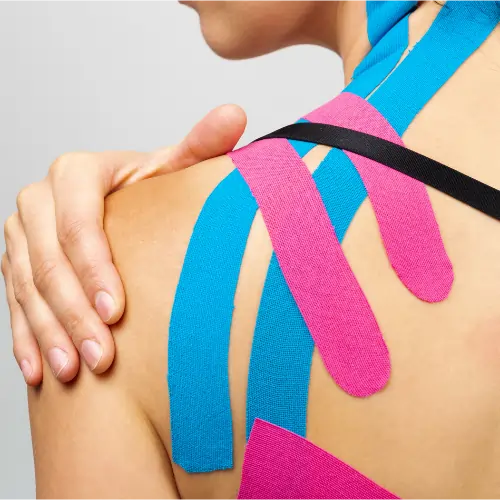
Pain and swelling in different areas of the body
Post-injury inflammation
Bruising and edema
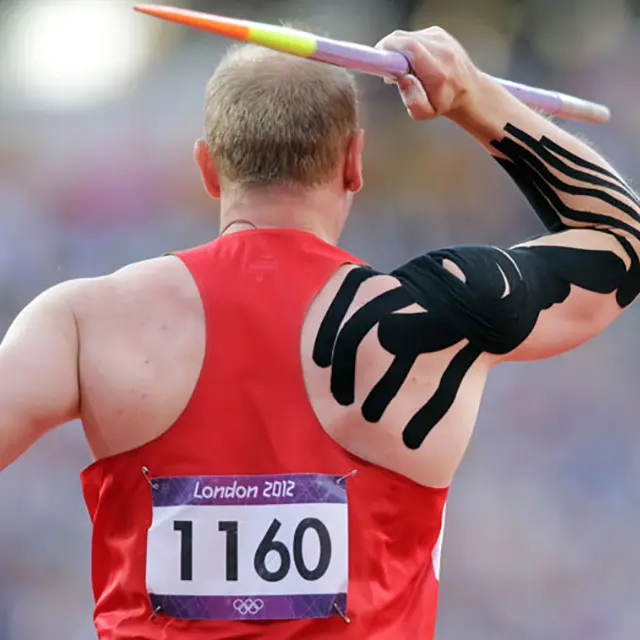
Shoulder instability
Tennis elbow
Golfer’s elbow
Hamstring strain
Quadriceps strain
Plantar fasciitis (heel pain)
Bunions
Ankle sprains
Shin splints

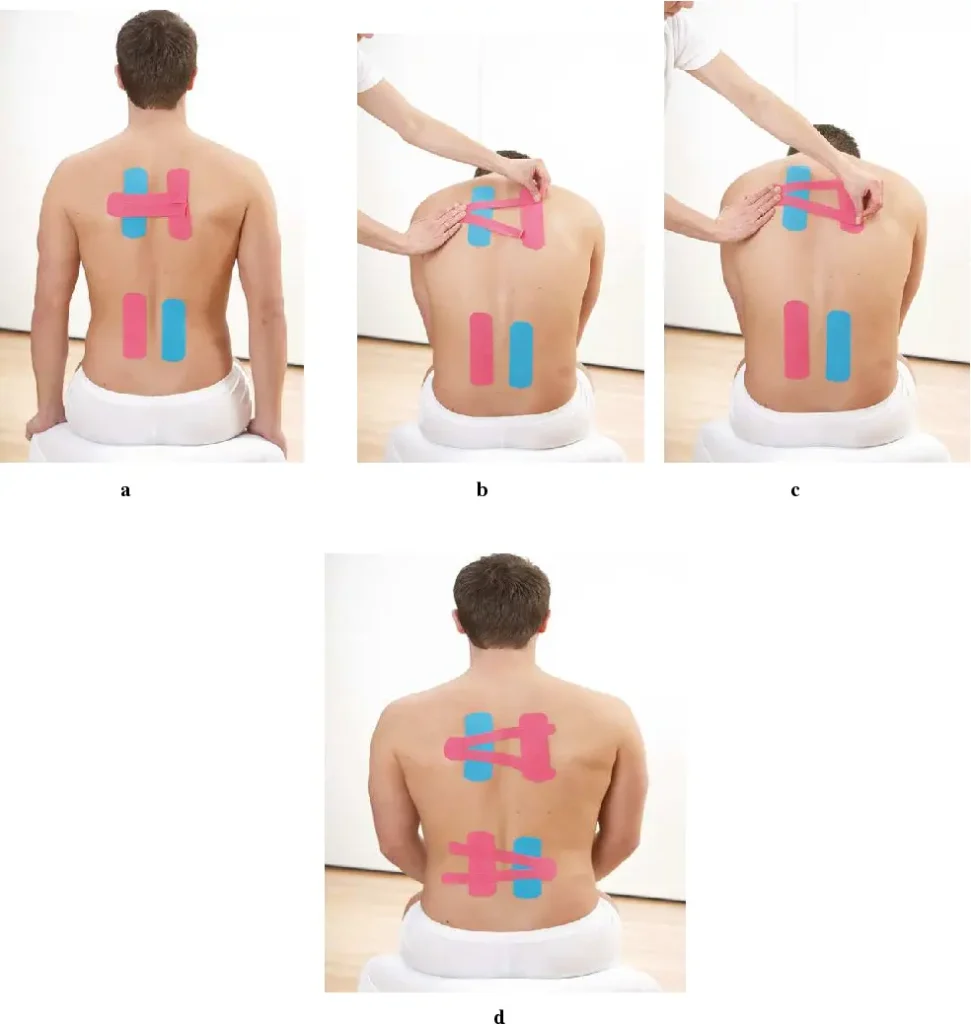
Neck and back pain
Shoulder injuries
Knee pain
Muscle strains
Ligament sprains
Supporting weak or fatigued muscles
Reducing risk of overuse injuries
Improving proprioception
Enhancing joint stability
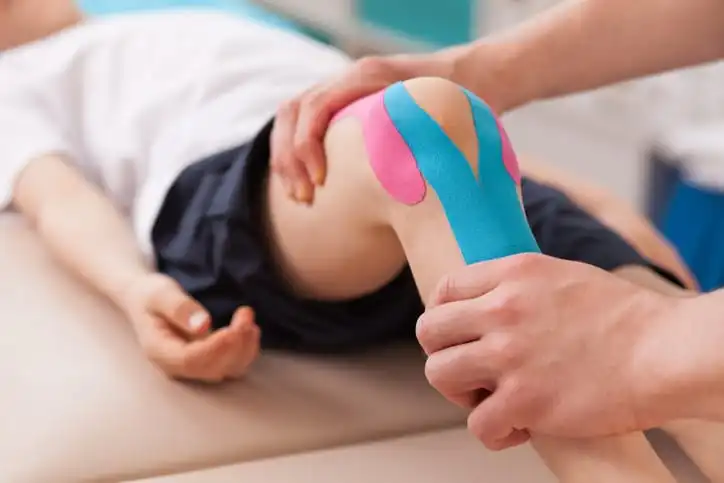
Knee pain (PFPS, etc.)
Plantar fasciitis
Scoliosis (postural support)
Temporomandibular Joint (TMJ) dysfunction

Stroke rehabilitation (improving movement and reducing spasticity)
Cerebral palsy
Multiple sclerosis
Carpal tunnel syndrome
Proper application is essential for effective results.
I-strip
Y-strip
Fan strip
Star strip
Popular tape brands include Kinesio Tape, KT Tape, and RockTape.
Skin Preparation – Skin is cleaned and dried
Positioning – Target muscle is placed in a stretched position
Anchor Application – Tape is applied without tension
Stretch/Tension Phase – Middle section applied with 10–50% tension depending on goal
Tail Application – Tape ends placed without stretch
Rub Down – Friction activates adhesive
Duration – Typically worn for 3–5 days
Removal – Gently peeled using oil or heat to avoid irritation
Kinesio Taping should be avoided or used cautiously in:
Open wounds
Skin infections
Deep vein thrombosis
Cancer-affected areas
Fragile or diabetic skin
Minor skin irritation may occur in a small number of individuals, but serious side effects are rare.
Kinesio Taping works best as an adjunct to physiotherapy, especially in:
Patellofemoral pain syndrome
Chronic low back pain
Post-operative swelling
Delayed onset muscle soreness (DOMS)
Shoulder pain syndromes
At Dynamics Physio, Kinesio Taping is applied by trained physiotherapists who:
Assess your condition thoroughly
Choose the correct taping technique
Combine taping with exercise therapy and manual therapy
Focus on long-term recovery, not just temporary relief.
Pain relief
Supports injured muscles and joints
Reduces swelling and improves circulation
Enhances muscle function and performance
Prevents injuries and supports posture
Helps with neurological conditions
Drug-free and non-invasive treatment


