
Strength training, also known as resistance training, involves systematically working muscles against resistance to improve muscle strength, endurance, power, and overall physical performance. Resistance can come from free weights, machines, resistance bands, body weight, medicine balls, plyometrics, and suspension systems.
At Dynamics Physio, strength training is an essential part of rehabilitation, injury prevention, fitness enhancement, and long-term health. It stimulates neuromuscular adaptations, promotes muscle fiber growth, improves bone density, strengthens connective tissues, and enhances metabolic health.
Strength training programs are designed using the principle of progressive overload, meaning gradual increases in resistance, repetitions, or volume to encourage continuous improvement while maintaining safety.
After relieving pain and restoring basic functional or work-related activities through physiotherapy, strength training becomes the foundation of long-term recovery and fitness.
At Dynamics Physio:
We first restore mobility and function
Then focus on overall muscle strength and conditioning
This approach helps keep muscles and joints healthy, resilient, and injury-free
Strength training improves quality of life, protects joints and muscles from future injuries, boosts sports performance, and helps reduce body fat by improving metabolism
Strength training resists specific muscle groups using different types of resistance to:
Increase muscle power
Improve muscular endurance
Enhance neuromuscular coordination
Support joint stability
Improve overall physical well-being
It supports muscles without compromising mobility, making it suitable for both rehabilitation and performance training.
Strength training is not one-size-fits-all. It includes several structured methods depending on goals and conditions.
Isometric, Concentric & Eccentric Training
Isometric: Static muscle contraction without movement
Concentric: Muscle shortens while lifting weight
Eccentric: Controlled muscle lengthening
Eccentric training is especially effective for injury resilience, flexibility, and rehabilitation.
Free Weights vs Machines
Free weights improve functional strength and activate stabilizer muscles
Machines provide guided movement and enhanced safety
A combination of both is often ideal in physiotherapy-based strength training.
Functional Strength Training
Uses multi-joint, real-life movements like squats, lunges, pushes, pulls, and carries to:
Improve coordination
Enhance balance
Build practical, everyday strength

Dumbbells – curls, presses, lunges
Barbells – squats, deadlifts, bench press
Kettlebells – swings, snatches, Turkish get-ups
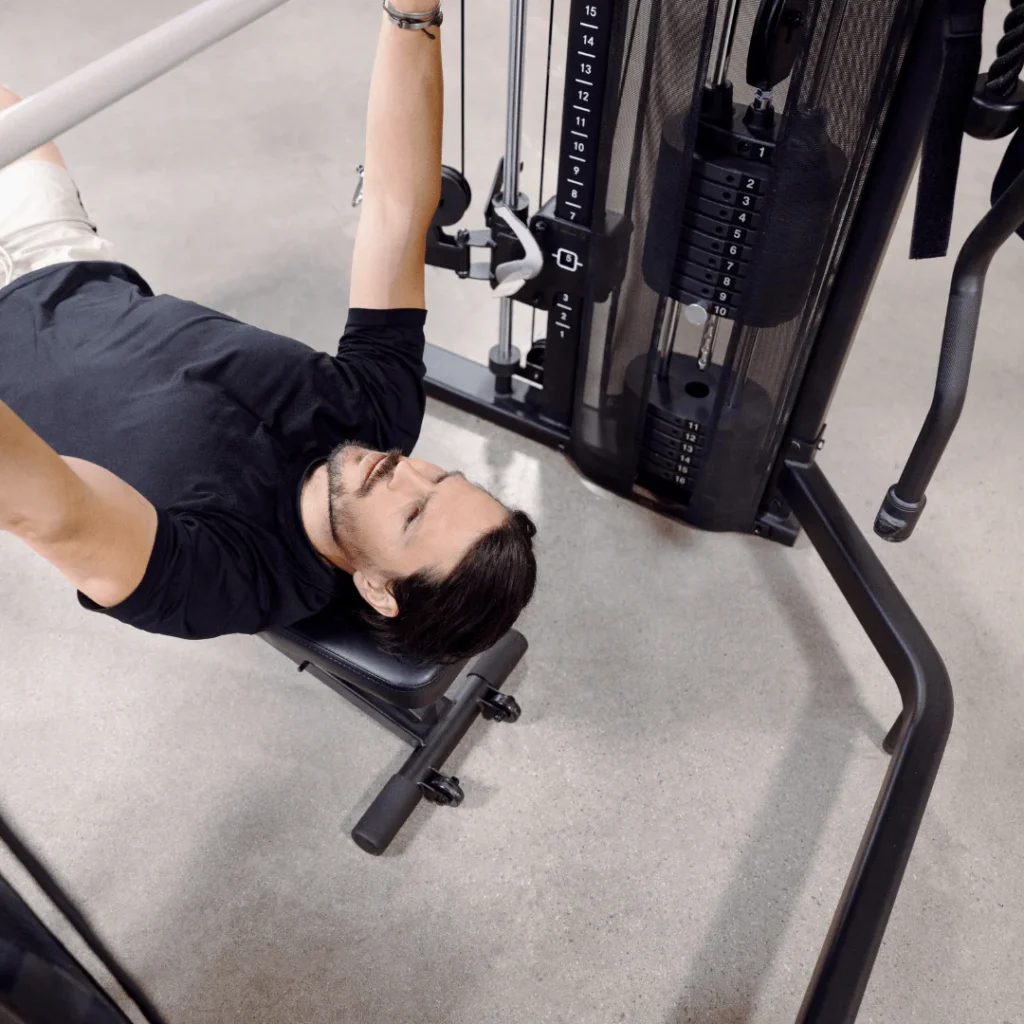
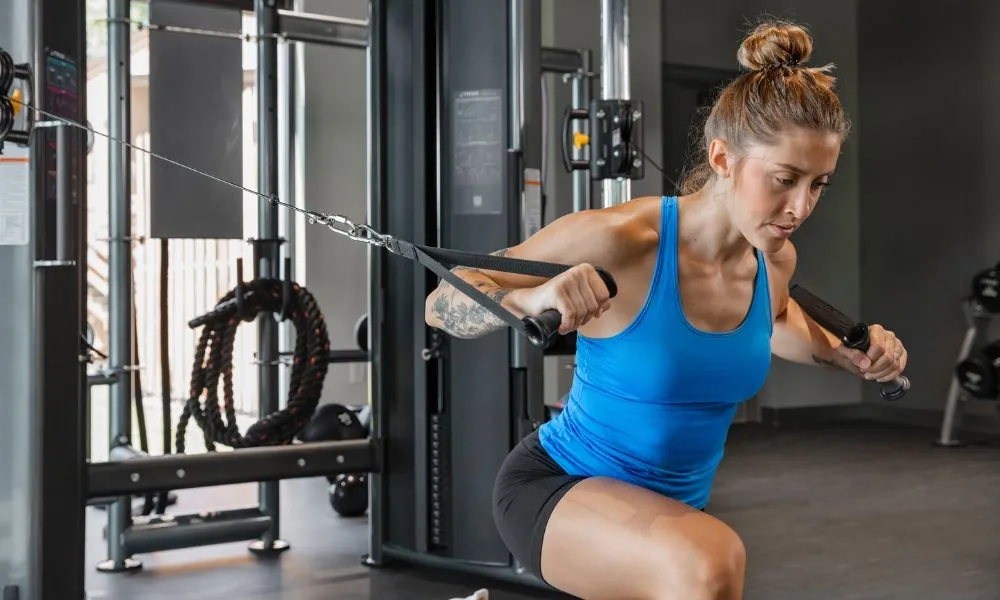
Cable machines – controlled resistance, full ROM
Plate-loaded machines – leg press, hack squat
Selectorized machines – lat pulldown, chest press

Joint-friendly
Ideal for rehab, mobility, and muscle activation
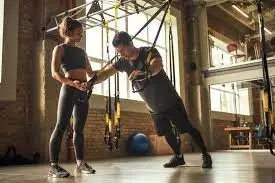
TRX and similar systems
Improves strength, stability, and core control
Guided barbell path
Provides stability during squats and presses

Functional strength
Core stability
Power development

High-intensity full-body training
Builds strength and endurance
Free Weights
Natural movement patterns
Improves stabilizer muscle activation
Best for functional fitness and athletes
Weight Machines
Controlled and safer
Ideal for beginners, seniors, and rehab patients
Resistance Bands & Cables
Variable resistance
Portable and joint-friendly
Bodyweight Training
Push-ups, pull-ups, lunges
Accessible and effective
Suspension Training (TRX)
Improves stability, strength, and flexibility
Traditional Strength Training
Isolated muscle exercises
Efficient for hypertrophy
Functional Strength Training
Multi-joint, real-life movements
Improves coordination and injury prevention
Circuit Training
Strength + cardio
Time-efficient and endurance-focused
Strength Endurance
Agile Strength
Explosive Strength
Speed Strength
Starting Strength
Maximum Strength
Each method is selected based on patient goals and condition.
Isometric Training
Isokinetic Training
Variable Resistance Training
Plyometric Training
Ballistic Training
Velocity-Based Training (VBT)
High-Intensity Training (HIT)
Pyramid Training
Supersets & Drop Sets
Cluster Sets
Periodization
These strategies prevent plateaus and optimize results.
Prevents muscle loss (sarcopenia)
Improves daily activity performance
Improves bone mineral density
Strengthens tendons and ligaments
Improves insulin sensitivity
Supports blood pressure and heart health
Reduces anxiety and depression
Improves confidence and focus
Reduces chronic joint and back pain
Improves posture and alignment
Improves independence with aging
Reduces overall mortality risk
Post-injury and post-surgical rehab (ACL, rotator cuff)
Osteoarthritis
Chronic low back pain
Tendinopathies
Stroke
Parkinson’s disease
Spinal cord injury
Type 2 diabetes
Hypertension
Cardiovascular diseases
Fall prevention in elderly
Developmental muscle weakness in children
Faster recovery
Reduced hospital stay
Depression
Anxiety disorders
Movement, posture, strength, pain, and ROM evaluation.
Tailored plans for rehab, fitness, and performance.
Supervised sessions with correct technique.
Safe and structured progression.
Targeted programs for back pain, knee OA, neuro rehab, and sports recovery.
Education on rest, nutrition, and recovery.
Regular reassessment and modifications.
Long-term exercise knowledge for sustained results
Increases muscle mass and strength
Improves metabolism and supports fat loss
Strengthens bones and prevents osteoporosis
Enhances joint health and stability
Improves posture and balance
Boosts athletic performance


