
At Dynamics Physio, dry needling is a minimally invasive, evidence-based physiotherapy technique used to treat musculoskeletal pain, movement dysfunction, and neuromuscular conditions. It is performed by trained physiotherapists to relieve pain, restore mobility, and accelerate recovery.
Dry needling—also known as trigger-point dry needling or intramuscular stimulation (IMS)—is a therapeutic technique used to treat myofascial trigger points, which are tight, sensitive bands of muscle that can cause local pain and referred pain to other areas of the body.
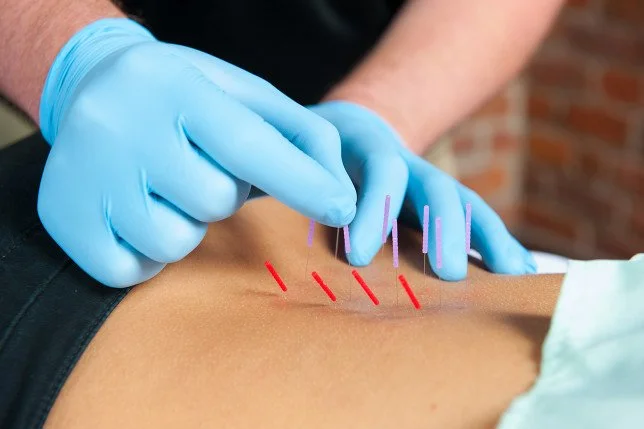
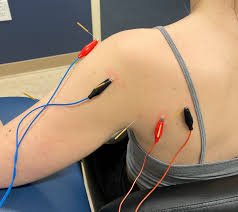
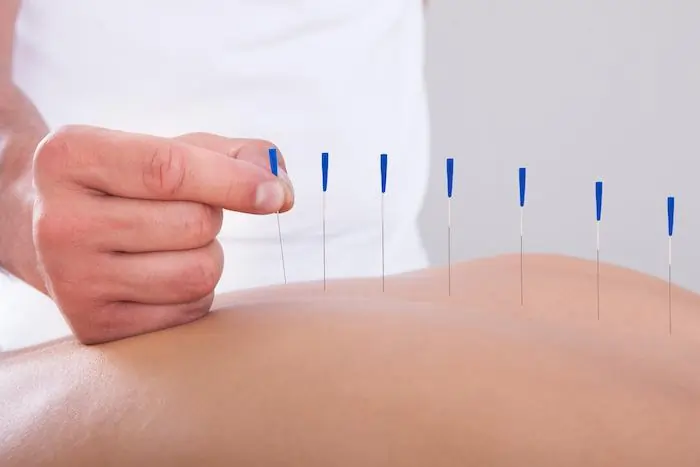
The treatment involves inserting sterile, thin, filiform needles into or near these trigger points or affected muscles. The stimulation often produces a local twitch response, helping the muscle relax, improving circulation, reducing pain, and restoring restricted range of motion.
Unlike acupuncture, dry needling is based on Western medical science, orthopedic assessment, and functional anatomy. It does not follow traditional Chinese medicine principles or energy meridians.
Needles stimulate dysfunctional muscle fibers
Trigger points release tension through reflex muscle relaxation
Local blood flow increases, supporting tissue healing
Pain signaling is reduced at the nervous system level
Movement patterns improve when muscle tone normalizes
Dry needling is commonly integrated with exercise therapy and manual physiotherapy for optimal outcomes.
Over time, dry needling evolved into distinct approaches:
Developed by Dr. Chan Gunn
Addresses broader muscle dysfunction first
Useful for chronic pain and neuromuscular conditions
Direct needle insertion into taut muscle knots
Aims to elicit a local twitch response (LTR)
Highly effective for pain relief and muscle release
Needles inserted just below the skin
Less invasive, fewer side effects
Often used initially or for sensitive patients
Tennis elbow, golfer’s elbow
Shin splints
Post-surgical stiffness and scar tissue
Sports-related overuse conditions
Fibromyalgia
Chronic low back pain
Chronic neck pain
Myofascial pain syndrome

Sciatica
Carpal tunnel syndrome
TMJ (jaw pain and dysfunction)
Disc-related spinal issues
Thoracic outlet syndrome
Dry needling is used to treat:
Trigger points in neck, shoulders, and back
Chronic pain conditions
Postural dysfunction and compensation patterns
Sport-related injuries and rehabilitation plateaus
Scar tissue and neural restrictions
Reduced mobility due to muscle tightness
Dry needling should not be performed in cases of:
Needle phobia or refusal
Inability to consent
Active infection, tumors, or open wounds
Localized edema or lymphedema
Bleeding disorders or anticoagulant therapy
Pregnancy (especially first trimester)
Acute medical emergencies
Diabetes or peripheral neuropathy
Compromised immune system
Vascular conditions or poor circulation
Epilepsy
Frailty or advanced age
Pregnancy (later trimesters)
Recent surgery at the treatment site
Severe anxiety or phobia
High-risk anatomical areas (lungs, major vessels)
Dry needling is safe when performed by trained physiotherapists using sterile techniques.
Common mild side effects:
Temporary soreness
Mild bruising
Fatigue
Rare but serious risks:
Pneumothorax
Infection
Nerve or organ injury
Strict safety protocols minimize these risks at Dynamics Physio.
We evaluate posture, movement, biomechanics, and pain patterns to identify root causes.
Condition-specific needling strategies
Gradual progression from superficial to deep techniques
Dry needling is combined with:
Manual therapy
Neuromuscular re-education
Strengthening and corrective exercises
We explain:
What to expect during and after treatment
Post-needling care (hydration, stretching, movement)
Continuous feedback, sterile procedures, and therapist supervision ensure safety.
We track:
Pain reduction
Range of motion
Functional improvement
Quality of life
Treatment is adjusted based on progress.


